













A manufacturing website needs to give potential customers a clear picture of what a business can produce. For fashion brands, that means being able to explore product categories, understand the development process, and find a way to discuss an upcoming collection.
Megaya brings these needs together across four websites built with Gutenverse. Each website introduces a different part of its manufacturing business, from general clothing production to specialized swimwear and activewear services.
According to results shared by Megaya, its Gutenverse-built websites achieved good Core Web Vitals, while revenue doubled compared with the previous reporting period.
This case study explores the four websites, the customer needs they address, and how Gutenverse fits into Megaya’s online presence.
Meet Megaya: Bali-Based Manufacturing for Start-Up Fashion Brands
Megaya is a clothing manufacturing business based in Bali, Indonesia. It works with startups and growing brands, offering services that cover different stages of bringing a clothing collection to market.
These services include product consultation, fabric sourcing, sample development, garment production, and branding support. Across its websites, Megaya also introduces related services such as packaging and shipping.
For prospective customers, choosing a manufacturing partner involves several questions. Can the manufacturer work with their designs? What materials are available? How does sampling work? What happens before an order enters production?
Megaya’s websites provide places to explore these questions before contacting the team. They introduce the products, services, and processes relevant to each audience.
Four Websites for Different Manufacturing Needs
Megaya’s online presence spans four websites. Although they operate within the same industry, each presents a distinct product or service focus.
Megaya Bali: A Broad Introduction to Clothing Manufacturing
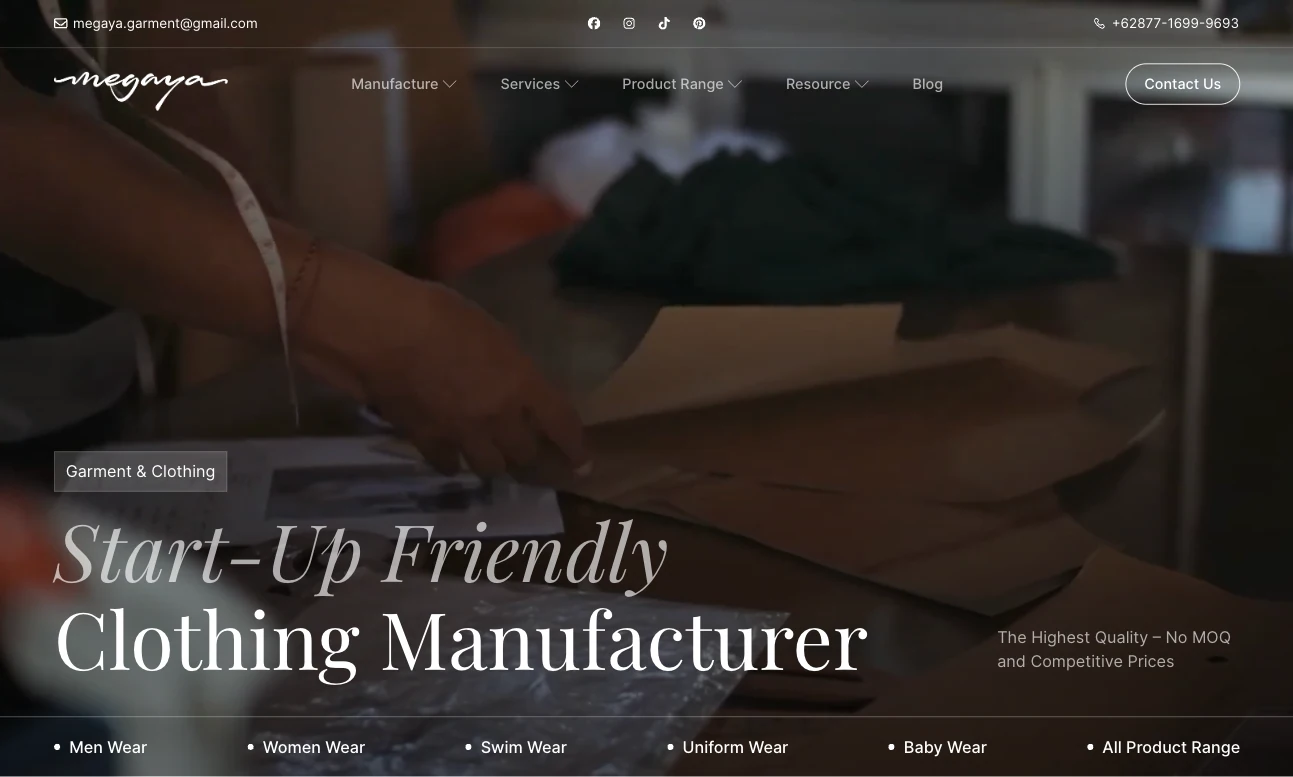
Megaya Bali introduces the business’s wider clothing manufacturing capabilities.
Visitors can explore categories including menswear, womenswear, babywear, kidswear, uniforms, swimwear, and homeware. The website also presents services such as consultation, material sourcing, printing, labeling, and packing.
Its startup-friendly positioning and no-minimum-order-quantity offering address a practical concern for emerging brands: finding a manufacturing partner that can accommodate an initial collection.
For customers exploring several clothing categories, this website provides a broad starting point.
Bali Swimwear & Bikini Manufacturer: A Focused Swimwear Experience
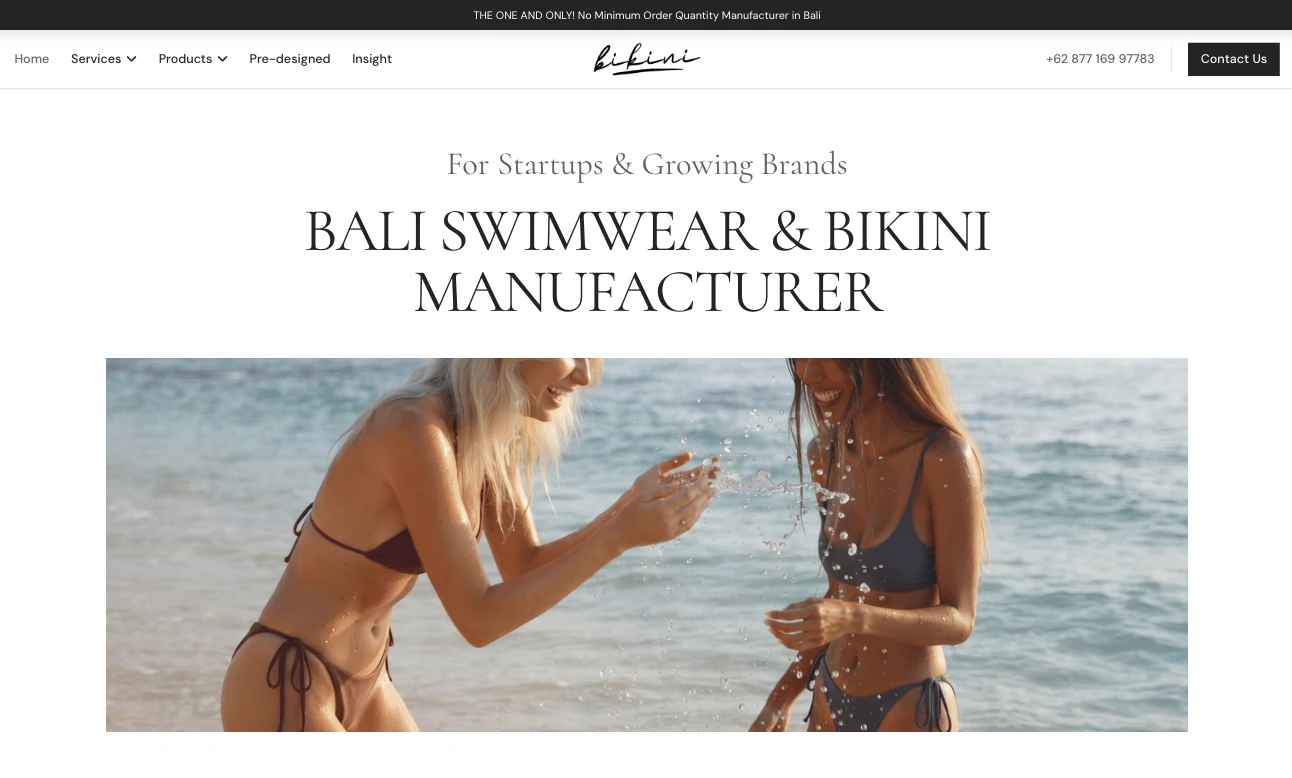
Bali Swimwear & Bikini Manufacturer focuses on bikinis, one-piece swimsuits, cover-ups, and related products.
The website introduces both custom development and ready designs. Visitors can learn about sharing design references, discussing materials, reviewing samples, and preparing for production.
This focused content helps swimwear brands investigate requirements specific to their collections. Instead of searching through a general clothing offering, they can start with information directly relevant to swimwear development.
Bali Garment: Activewear and Sportswear Manufacturing
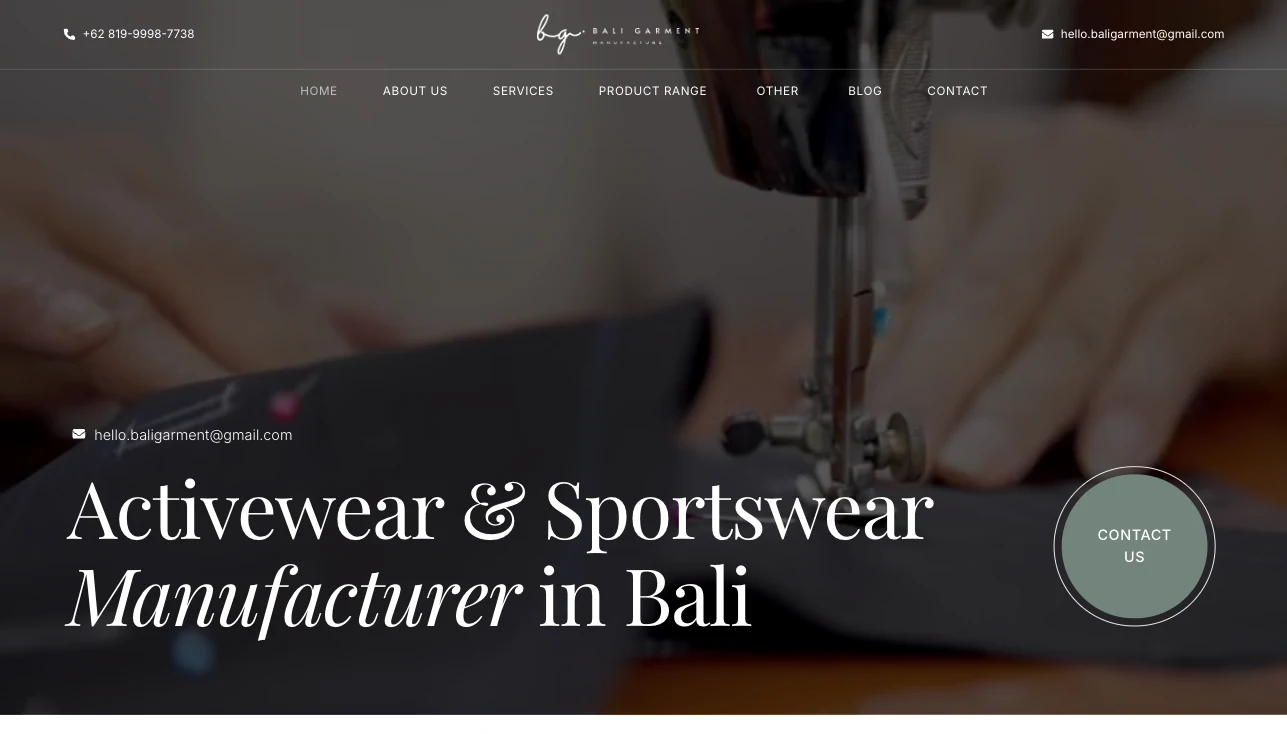
Bali Garment presents Megaya’s activewear and sportswear offering.
Its product categories include leggings, sports bras, training tops, gym sets, and other apparel for movement. The website also explains services such as product consultation, sample development, custom printing, and production.
For an activewear brand, details about fit, stretch, construction, and intended use are relevant to early manufacturing discussions. The website gives these considerations a dedicated space within Megaya’s wider online presence.
Bali Garment Manufacture: Services Across the Production Process
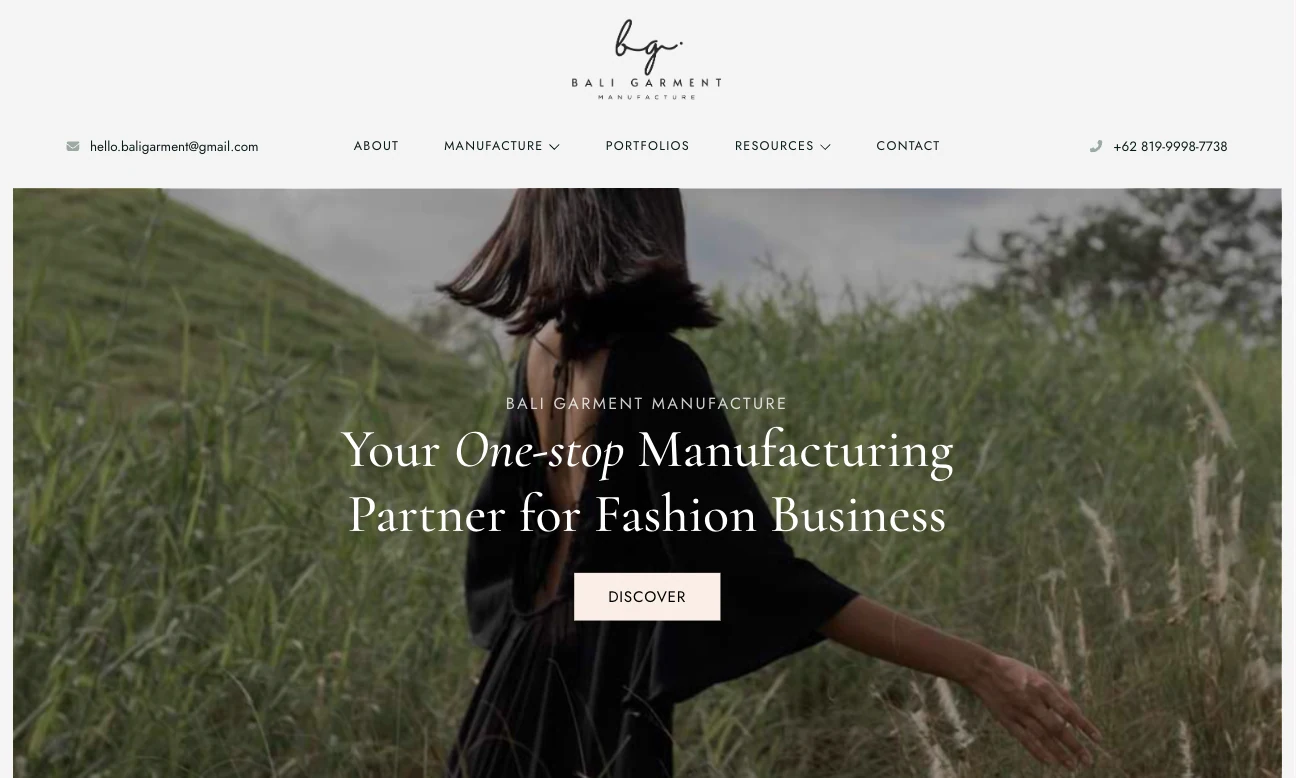
Bali Garment Manufacture introduces a broad range of garment manufacturing services.
Visitors can explore consultation, fabric sourcing, sampling, production, labeling, packaging, and photography. The website also includes information about manufacturing steps and answers to common customer questions.
This service-led approach helps prospective clients understand the support available throughout a manufacturing project.
The Website Requirements: Clarity, Visuals, and Performance
A garment manufacturing website needs to communicate both creative possibilities and practical production information.
Product photography helps visitors assess the types of garments a manufacturer can produce. Service pages explain the available support. Process information gives customers a clearer understanding of what to prepare and what to expect.
Across Megaya’s four websites, several requirements stand out:
These requirements make website design and performance closely connected. A visually engaging page still needs to help visitors find and use the information that matters to them.
Building Megaya’s Websites with Gutenverse
Megaya used Gutenverse to build all four websites, applying the platform to different manufacturing audiences and content needs.
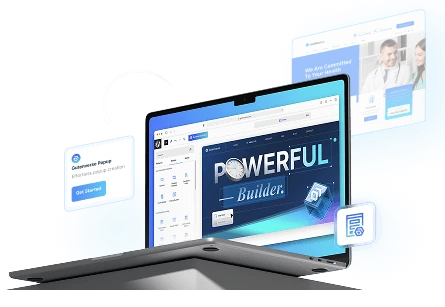
Gutenverse’s WordPress block collection includes tools for structuring layouts and presenting headings, images, galleries, buttons, and other website content. These capabilities are relevant to the pages a manufacturing business needs, from company introductions to product showcases and service explanations.
Gutenverse also provides visual controls for spacing, typography, colors, and responsive layouts within the WordPress block editor. Website creators can use these controls to adjust how content appears across desktop, tablet, and mobile screens.
Megaya’s implementation illustrates how the same website-building platform can serve several distinct business websites. Each site can organize its content around a specific audience while drawing on the same underlying building tools.
Giving Each Product Category Its Own Space
The differences between Megaya’s websites are meaningful to potential customers.
A swimwear founder may want to explore bikini styles, lining, sampling, and branding. An activewear business may be more interested in leggings, sports bras, fabric stretch, and garment construction.
Dedicated websites give these topics room for more focused presentation. They allow visitors to begin with information that matches the collection they want to develop.
Connecting Information with the Next Step
Megaya’s websites also connect product and service information with contact opportunities.
For a manufacturing business, an inquiry is often the beginning of a detailed discussion. Customers may need to share design references, quantities, materials, sizing, or a tech pack before the team can advise on production.
A useful website prepares visitors for that conversation by explaining the offering and making contact options easy to find.
The Results: Good Core Web Vitals and Doubled Revenue
According to the results shared by Megaya, its experience with Gutenverse includes two key outcomes: good Core Web Vitals and revenue that doubled.
Good Core Web Vitals
Megaya reports good Core Web Vitals for its Gutenverse-built websites.
Google’s Core Web Vitals measure three aspects of the user experience:
For visitors exploring product images and manufacturing information, these aspects affect how a page feels to use.
Megaya’s reported results make performance an important part of this case study alongside design and content. Specific measurements and reporting dates would provide further detail about the results across the four websites.
Revenue Reached Twice Its Previous Level
Megaya also reports that revenue reached 200% of its previous level, equivalent to doubling revenue.
This places its website development within a broader period of business growth. The available information does not isolate the websites’ contribution from other influences, such as marketing activity, sales work, customer demand, or repeat orders.
The result is still a meaningful part of Megaya’s story: the business used Gutenverse across four websites while reporting good website performance and substantial revenue growth.
What Other Businesses Can Learn from Megaya
Megaya’s approach offers several useful considerations for businesses planning their own websites.
Organize Content Around Customer Needs
Different customers look for different information. A focused website or clearly organized product area can help visitors explore the services most relevant to them.
Megaya’s swimwear and activewear websites demonstrate this approach through their distinct product categories and service content.
Give Product Information and Process Information Equal Attention
Images show what a manufacturer can make. Explanations of sampling, sourcing, production, and delivery help customers understand how to work with the business.
Together, these elements give visitors a more complete basis for starting a conversation.
Include Performance in Website Planning
Website quality includes the experience of loading, browsing, and interacting with a page.
Core Web Vitals provide a way to assess important parts of that experience. Businesses can use those measurements alongside customer feedback and inquiry data when reviewing their websites.
FAQ
Manufacturing websites often combine product photography with detailed service information. Core Web Vitals help assess whether these pages load efficiently, respond to interactions, and remain visually stable while visitors browse.
Yes. Gutenverse provides controls for layouts, colors, typography, and responsive design. Businesses can adapt each website’s appearance to its products and audience, as illustrated by Megaya’s four websites.
Useful content includes product examples, manufacturing services, sampling procedures, material options, frequently asked questions, and clear contact details. Websites such as Megaya Bali show how these elements can introduce a manufacturer’s capabilities to prospective customers.
Businesses can review website performance alongside qualified inquiries, quotation requests, and orders attributed to the website. Tracking these measures over a defined period helps connect the browsing experience with business outcomes.
Gutenverse form features let businesses create inquiry forms that collect customer details and project requirements. A garment manufacturer can ask for a name, email address, product type, estimated quantity, and design requirements, helping its team prepare for the initial discussion and follow up with relevant questions.
Final Thoughts
Megaya’s case shows Gutenverse in use across four manufacturing websites, each addressing a different customer need.
From general clothing production to swimwear and activewear, the websites give Megaya space to explain its capabilities and introduce its services to prospective clients.
With good reported Core Web Vitals and revenue that doubled, Megaya offers a practical example of Gutenverse supporting a growing business’s online presence.
Planning your own website? Explore Gutenverse, discover the available WordPress blocks, or browse Gutenverse block themes for design inspiration.