















If you are new to WordPress, this is one of the first things that can seem confusing.
The names are almost identical, and both are connected to WordPress. However, they work in different ways. The option you choose can affect your website setup, your costs, your level of control, and how much technical work you need to handle.
WordPress.com gives you a hosted platform where many technical parts are already managed for you. This includes things like hosting, updates, security, and basic maintenance. Because of that, it can feel easier for beginners who want to start a website without dealing with too many setup details.
WordPress.org works differently. It gives you access to the open-source WordPress platform, but you need to install it on your own web hosting. This means you have more control over your website, including the themes, plugins, settings, and custom features you want to use.
In this guide, we will compare WordPress.com and WordPress.org in a simple way. You will learn what makes them different, what you need to manage on each platform, and which one fits your website goals better.
What Is WordPress.com?
WordPress.com is a commercial hosted platform run by Automattic.
It uses WordPress, but it places WordPress inside a managed hosting service. Instead of downloading WordPress, buying hosting separately, and setting everything up on your own, you can create an account, choose a plan, and start building your website from one place.
WordPress.com handles many technical parts for you. This platform includes managed hosting and takes care of things like performance, backups, updates, and security. This means you don’t need to manage the server or handle every technical detail by yourself.
This setup can be helpful if you want a simpler way to start. You can focus more on creating pages, writing content, choosing a design, and publishing your website, while the platform handles the rest of the work.
That makes WordPress.com a good option if you:
For many beginners, this is the main reason to choose WordPress.com. It gives you a simpler starting point because you can launch a website without setting up hosting, changing server settings, or handling maintenance yourself.
What Is WordPress.org?
WordPress.org is the home of the open-source WordPress project.
It’s where you can download the WordPress software and use it to build your own website. You can also find themes, plugins, documentation, and community resources there.
This option is usually called self-hosted WordPress because you need to use your own web hosting. Instead of creating a website directly on WordPress.com, you choose a hosting provider, install WordPress on that hosting account, and manage your website from there.
By using this platform, you have more control over how your website works. You can choose your own theme, install the plugins you need, adjust your settings, and build a website that fits your goals more closely. You also have more freedom to customize your site, add advanced features, and grow it over time.
With WordPress.org, you can:
This takes a little more effort because you need to manage more parts of your website. However, it also gives you much more freedom and flexibility, especially if you want full control over your website.
The Differences Between WordPress.com and WordPress.org
1. Hosting Options
The main difference starts from where your website lives. WordPress.com hosts it for you, while WordPress.org lets you use your own hosting.
WordPress.com already includes hosting as part of the platform. You do not need to buy hosting from another company, connect your site to it, or manage the server yourself. You can sign up, choose a plan, and start building your website in one place.
WordPress.org works differently. You download the WordPress software and install it on the hosting you choose. This gives you more control over where your website lives, how it runs, and which tools you use. But it also means you need to handle more of the setup yourself.
You can think of it this way. WordPress.com gives you a ready-to-use website setup. Hosting and many technical tasks are already included, so you can focus more on building your site. WordPress.org gives you a more flexible setup. You choose the hosting, tools, themes, and plugins yourself, so you get more control over how your website works.
2. Control and Customization
Control means how much freedom you have to change your website. This is one of the biggest differences between WordPress.com and WordPress.org.
WordPress.com gives you a simpler experience. You can start faster because the platform handles more things for you. But you also need to follow its plan structure and platform rules. Some features may depend on the plan you choose, and you have less freedom to control the full website environment.
On the other hand, WordPress.org lets you control more parts of your website. You can choose your own hosting, install the plugins you need, use different themes, adjust more settings, and add custom features when your site needs them.
That’s why many freelancers, agencies, developers, and growing businesses prefer self-hosted WordPress. They need a setup that can change as the website grows.
3. The Cost Works Differently
The cost can be confusing because both options mention “free” in different ways. WordPress.com has a free plan, while WordPress.org is free to download. But in both cases, you may still need to pay for other things depending on the website you want to build.
WordPress.com works more like a packaged service. It offers a free plan and several paid plans, such as Free, Personal, Premium, Business, Commerce, and Enterprise. Each plan includes hosting and different levels of features, so you pay for the package instead of setting up every part separately.
This can make WordPress.com easier to budget, especially for a simple website. You know what plan you are using, what features come with it, and what the platform already handles for you.
WordPress.org works differently. The platform itself is free to download and use, but the full website setup is not always free. You still need hosting, a domain name, and sometimes paid themes, plugins, or other tools.
So with WordPress.org, you pay for the parts separately. You choose your own hosting provider, domain, theme, plugins, and tools based on what your website needs. This gives you more control over where your money goes, but it also means you need to make more decisions.
Well, the real question is not only, “Which one is cheaper?” The better question is how you want to manage your website costs.
WordPress.com gives you a bundled cost in one platform. WordPress.org gives you more control over each cost because you choose the parts yourself.
4. Maintenance and Technical Work
Maintenance means the regular technical tasks that keep your website running. This can include updates, security, backups, hosting settings, and performance.
WordPress.com handles many of these tasks for you. You don’t need to manage the server, set up backups manually, or think too much about hosting maintenance. This makes it easier for beginners who want to focus on building pages and publishing content.
Meanwhile WordPress.org gives you more control, but you also need to manage more of the website setup. You choose the hosting provider, install WordPress, update themes and plugins, set up backups, and decide how to protect and optimize your site.
However, WordPress.org doesn’t always mean you need to handle everything manually. Many hosting providers include managed WordPress features, such as automatic updates, backups, staging tools, and security support. These features can make a self-hosted site much easier to manage.
The main difference is simple. WordPress.com manages more things for you. WordPress.org lets you choose how those things are managed.
5. Long-Term Plan
Your website may start simple, but it can grow over time. That’s why you should think about what you may need later before choosing between WordPress.com and WordPress.org.
WordPress.com can work well when your website needs to stay simple. For example, it can be enough for a personal blog, portfolio, basic company profile, or small website that mainly needs pages, posts, and a contact form. You can start quickly and avoid many technical decisions.
WordPress.org is usually better when you expect your website to grow into something more custom. For example, you may later want an online store, membership area, booking system, advanced SEO setup, custom design, more plugin options, or better control over performance.
This is why many designers, developers, and agencies choose self-hosted WordPress. They want more flexibility to change the site as the project grows.
Which One Should You Choose?
Your choice depends on the kind of website you want to build and how much control you need.
Choose WordPress.com if you want a simple start without handling hosting yourself. It works well for personal blogs, portfolios, simple business pages, or brochure-style websites where you mainly want to publish content and manage everything from one platform.
This platform may be a good option if you:
On the other hand, choose WordPress.org if you want more freedom to shape your website. It gives you control over your hosting, plugins, themes, design, and long-term setup. This makes it a better fit for websites that may need custom features, advanced tools, or more room to grow.
WordPress.org may be a better option if you:
For many beginners, WordPress.com feels easier at the start because you do not need to make many technical decisions. But as your website grows, you may want more control over your design, plugins, hosting, and features. At that point, WordPress.org often becomes the better choice because it gives you more room to customize and expand your site.
Choose WordPress.org? Here’s Where to Start
After choosing WordPress.org, the next question is usually simple: what should you install first?
This is where many beginners feel stuck. WordPress.org gives you more freedom, but it also asks you to make more choices. You need to choose a theme, decide how you want to build your pages, and find tools that help you create a website without starting from zero.
A simple way to begin is to use a block-friendly theme and build your pages with the WordPress editor. This keeps your website close to the native WordPress experience, so you do not need to depend on a completely separate builder from the start.
But the default WordPress editor can feel limited when you want more design options. That is where Gutenverse can help.
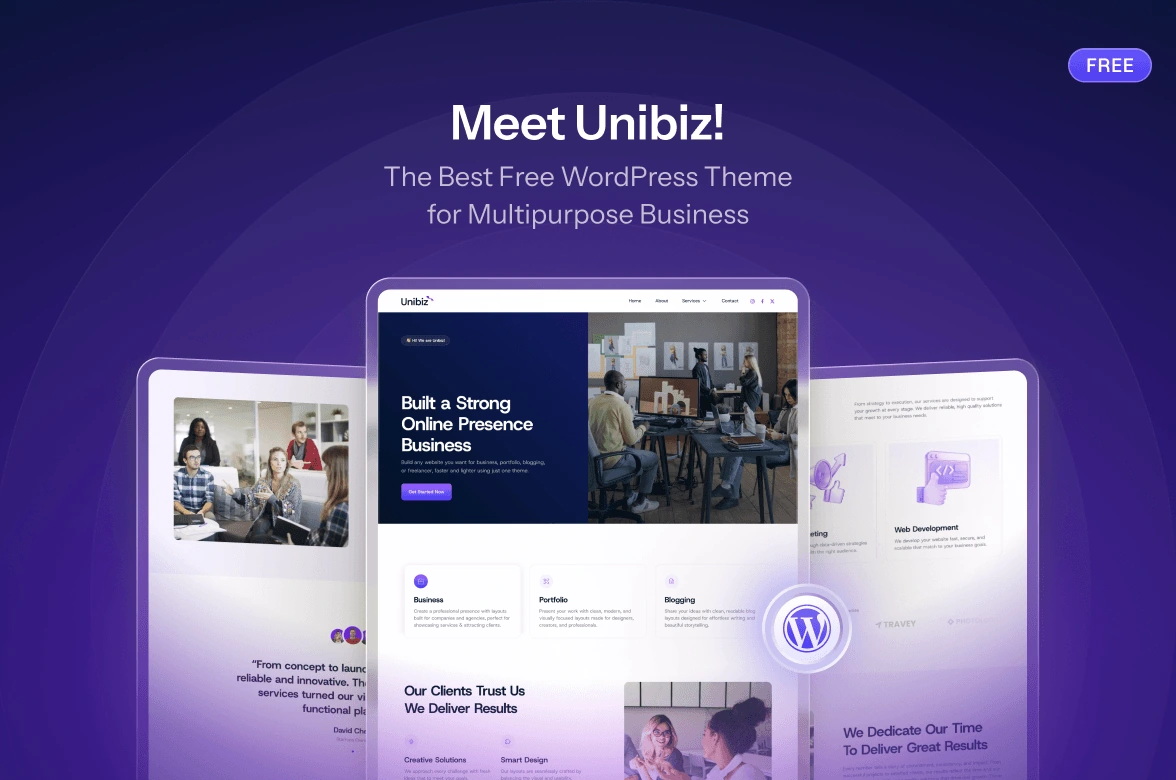
Gutenverse adds more blocks, ready-made templates, and design options inside the WordPress editor. So instead of building every section manually, you can start from templates, customize the layout, and create pages faster.
Here is a simple starting path:
This gives you a clear setup for your WordPress.org site. You still get the freedom of self-hosted WordPress, but you also get tools that make the first build easier.
To continue and learn more, these guides can help you:
FAQ
No. Both platforms are connected to WordPress, but they work differently. WordPress.com is a hosted service that manages many technical parts for you, while WordPress.org gives you the open-source WordPress software that you install and run on your own hosting.
Yes, the WordPress.org is free to download and use. However, you usually still need to pay for hosting, a domain name, and any premium themes, plugins, or tools you choose for your website.
Yes. WordPress.com is usually easier for beginners because it handles hosting and much of the maintenance for you, so you do not need to manage separate hosting, manual installation, or server setup at the start.
Yes. WordPress.com allows plugin installation on paid plans, including Personal, Premium, Business, and Commerce. This means you don’t always need the highest plan just to install plugins, but you still need a paid plan because plugins are not available on the free plan.
Many people choose WordPress.org because it gives them more control over hosting, themes, plugins, performance, and long-term customization. It gives you more freedom to build a website that can grow with your needs.
Final Thoughts
The WordPress.com vs WordPress.org difference is not about which one is better. Both are part of the WordPress ecosystem, but they give you different ways to build, manage, and grow a website.
WordPress.com gives you a managed platform with hosting, maintenance, security, and updates handled for you. It offers a simpler path for users who want to launch a website quickly without managing too many technical details.
Meanwhile, WordPress.org gives you a self-hosted setup with more freedom over your hosting, themes, plugins, design, and editing workflow. It asks for more setup decisions, but it also gives you more room to customize your website over time.
For a simple website that needs to go live quickly, WordPress.com can be the easier choice. For a business website, client project, content site, or long-term brand asset, WordPress.org usually gives you the stronger foundation.
When you choose WordPress.org, Gutenverse can help you start faster inside native WordPress. It adds extra blocks, ready-made templates, and Site Editor-friendly tools, so you can build with more flexibility without leaving the WordPress editor.