












Picture this: you are setting up your WordPress site and you come across a perfect plugin or theme. It does exactly what you need, the reviews are great, and it’s clearly built well. Then you see the price and feel hesitate. So, you do what a lot of people do and search around to see if there is a free version somewhere. A few moments later, you land on some random site that offers the full premium plugin or theme for “free”.
That is pretty much how most people find nulled plugins and themes. And in the moment, it genuinely feels like a lucky find. You got the tool you wanted without paying for it. But there is no such thing as a free lunch, as people say.
There’s usually something shady going on behind those free downloads, and it always tends to show up at the worst possible moment. So, before you decide to use nulled plugins and themes, here is what you actually need to know about them and why they are almost never worth it.
What Are Nulled Plugins and Themes?
A nulled plugin or theme is basically a pirated copy of a premium WordPress product. Someone takes the original software, cracks the license verification so it runs without a valid key, and uploads it for free. You’ll usually find them scattered across unofficial websites, shady forums, and random file-sharing platforms.
Some people bring up the GNU General Public License (GPL) as a justification, claiming that doing this is fine. It’s true that WordPress and many of its plugins use the GPL, which technically allows for the redistribution of code. However, that only covers the code itself. It doesn’t include copyrighted images, fonts, brand assets, or the proprietary scripts that many premium products rely on.
If you still decide to take the risk, you need to know exactly what you are signing up for. These are the consequences that usually show up the moment you hit install on a nulled file. You have no way of knowing what is actually hidden inside until it is already running on your site. By then, it might be too late.
Risk #1: They Almost Always Carry Hidden Malware
This is the biggest risk of all. Before a nulled plugin or theme is shared online, it is almost always modified first. The most common thing added during this process is malicious code.
You won’t see this code by poking around in your WordPress dashboard. It is written in a way that makes it nearly impossible to detect, even for experienced developers, unless they are specifically scanning for it with the right tools. It just sits there quietly inside what looks like a normal, functional plugin file.
Once that code kicks in, the damage can take many forms. It might create a hidden backdoor that gives hackers ongoing access to your site, or it could quietly redirect your visitors to dangerous websites. It might use your hosting server to blast out thousands of spam emails or install even more malware in the background. An article from MainWP found that these backdoors give attackers the ability to run commands, steal data, and take full control of a site without the owner ever realizing something is wrong.
It also affects the search engines. If Google detects malware on your site, it can pull your pages from search results completely.
Risk #2: They Can Seriously Damage Your SEO
You spend months building up your SEO by posting consistently, getting backlinks, and making sure your pages are properly optimized. A nulled plugin can quietly undo all of that work in just a few days. The worst part is that you usually will not notice the problem until the damage is already done.
Hidden code inside nulled products can inject invisible spam links into your pages or silently redirect mobile visitors to completely different websites while everything still looks normal on a desktop. These scripts can also set off Google Safe Browsing warnings. Any of these issues tells search engines that your site is no longer trustworthy, and your rankings will reflect that shift immediately.
Google Safe Browsing is built into Chrome, Firefox, and Safari. If your site gets flagged, people using those browsers will see a large, red warning screen before they can even reach your content. Your traffic can crash almost overnight. Getting off that list requires cleaning your site, submitting it for a manual review, and then waiting for a response. That entire process can take weeks, during which your business is essentially invisible.
Risk #3: You Will Never Receive Updates
One of the primary things you are paying for when you buy a legitimate plugin or theme is the ongoing work behind it. Developers release updates regularly to fix bugs, patch security vulnerabilities, and maintain compatibility as WordPress evolves. That work does not stop after your first download.
With a nulled version, that progress stops on day one. The file is frozen at whatever version it was when it was pirated. There are no updates, no patches, and no fixes. As WordPress and PHP release newer versions, your nulled plugin will slowly start to break down, and there is no one you can reach out to for help when it does.
There is also a legal angle that many people overlook. While the GPL argument gives nulled software some cover regarding the code, premium plugins often bundle in images, fonts, icons, and other design assets that carry separate copyrights. When a pirate cracks a plugin and redistributes it, those assets usually come along for the ride without authorization. This means you could be running copyrighted material on your site without a license, which gives the original developer legal grounds to take action against you. Most indie developers will not pursue individual users, but that changes if your site grows into a successful business.
Risk #4: Putting User Trust at Risk With No Way to Fix It
This risk is easy to miss because everything looks fine on the surface. Much of the malicious code found in nulled products is not designed to crash or deface your site. Instead, it is built to quietly collect data and send it elsewhere without leaving a trace you would notice.
That data can include admin login details, email addresses submitted through your contact forms, and even customer payment information on ecommerce sites. Every person who has ever trusted your site with their information is at risk the moment a nulled plugin starts running.
Under GDPR and similar data protection laws around the world, the responsibility for keeping that data safe sits with you as the site owner. Running unauthorized software is not a defense if a breach happens. It makes things worse. According to PasswordProtectWP, around 60% of small businesses shut down within six months of a serious data breach.
On top of all that, you have no support to lean on when things go wrong. Paying for a legitimate plugin gets you documentation, a support system, and real help from the people who built it. Nulled users get none of that. When something breaks, you are completely on your own, and the stress of fixing it yourself is simply not worth it.
Risk #5: A Lack of Appreciation for the People Who Actually Built the Tools
This point is often ignored, but it’s important to think about. The WordPress ecosystem isn’t run by billion-dollar companies. Most of the plugins and themes you use every day were started by individual developers or small teams who spent a lot of time building something helpful for the community.
The premium version of a plugin is often what allows that developer to maintain it. It covers their server costs, their time, and the ongoing work of keeping the plugin secure, compatible, and constantly improving. When that revenue is cut into by piracy, the math stops working and the developer eventually has to move on. The plugin stops receiving updates, falls out of compatibility, and eventually disappears.
In my opinion, this is a loss for everyone. If you’re on a tight budget and can’t afford a premium license right now, that’s perfectly fine. The best choice is to use the official free version of the plugin from the WordPress directory instead of a nulled version. By using the legal free version, you’re still showing respect for the creator’s work while keeping your own website safe.
So, Is It Ever Actually Worth It?
Honestly, no. Most people who have dealt with a hacked site, a Google blacklist, or a hosting suspension because of a nulled plugin will tell you the same thing. The upfront cost of a plugin feels real while the risks feel hypothetical, until those risks suddenly become your reality.
Cleaning up malware, recovering lost SEO rankings, and dealing with a data breach can each cost far more in time and money than any plugin would have. You might save $50 today, but you could end up paying hundreds or even thousands later to fix the damage. When you weigh the price of a license against the cost of a ruined reputation or a broken website, there is no real comparison.
The truth is, you rarely even need to take that risk. For almost anything you want to build, there is a safe way to do it. The free options available through WordPress.org are genuinely good. Also, many “freemium” plugins offer plenty of features in their free tier to get your project off the ground. It’s always better to start with a limited, legal version than to risk everything on a pirated file.
Safe alternatives worth knowing about
1. Start with the WordPress.org plugin directory
There are over 61,000 free plugins that are all reviewed and regularly updated.
2. Buy from trusted sources
Stick to marketplaces like ThemeForest or purchase directly from the developer’s official website.
3. Look for freemium plugins
Many high-quality plugins offer a solid free tier that gives you everything you actually need without any cost.
4. Check for guarantees
See if the developer offers a money-back guarantee or a trial period when you commit to a purchase.
5. Avoid unofficial platforms
Never download plugins or themes from random third-party sites, torrent platforms, or forums that are not affiliated with the original developer.
6. Clean up your site
Uninstall any plugins you are not actively using. Even legitimate ones can become a security risk if they are left sitting idle and unupdated.
7. Take immediate action
If you already have a nulled plugin installed, remove it right now. Run a full malware scan with tools like All-In-One Security or Wordfence and change your passwords immediately.
Start With Free. Upgrade When You Are Ready
Many people choose nulled plugins because they feel stuck. They want a professional look but are not ready to pay for premium tools yet. While that feeling is understandable, there is a much better way to build your site without taking any risks.
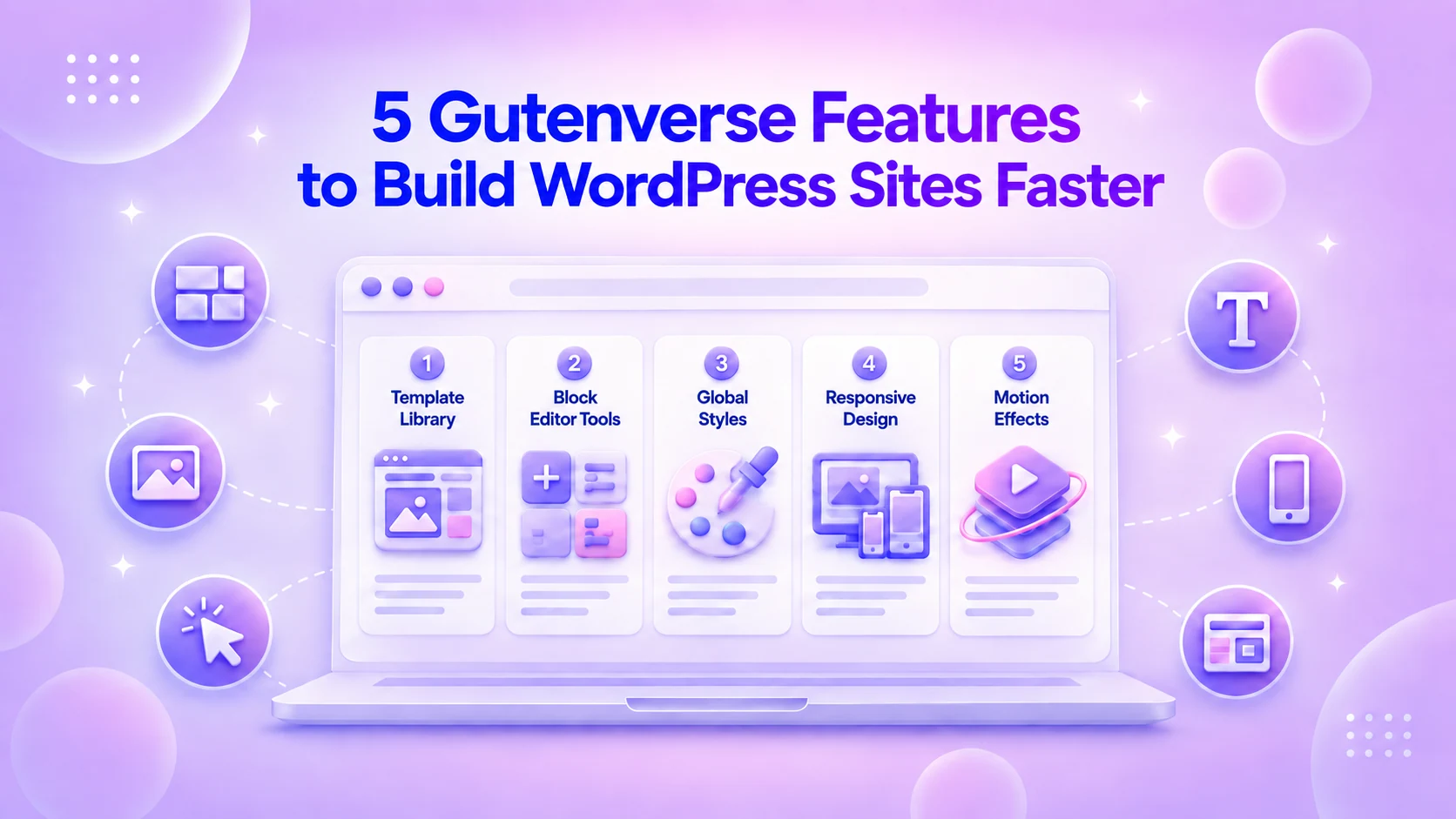
Instead of hunting for shady downloads, you can use a complete ecosystem like Gutenverse. It provides everything you need in one safe package:
By starting here, you’ll get a beautiful and legal website. If you eventually need more advanced features, the Pro version is there when you are ready. This way, your site stay safe and you support the community.
Final Thoughts
At the end of the day, building a website you’re proud of means making decisions you can stand behind. Using legitimate tools, even the free ones, is one of those decisions. It keeps your site secure and your visitors protected. This is a much better way to grow than using a nulled file that could break everything at any moment.
Well, that’s all for now. I hope this guide gives you a better idea of how to build a more secure and reliable WordPress website. See you in the next post!