











Not Sure How to Create Your Portfolio Website? Here’s How to Do It!

If you’ve been thinking, “I really need a portfolio website… but where do I even start?” you’re not alone. A lot of people feel stuck because they assume a portfolio has to be perfect before it can be published.

In reality, a portfolio website works when it’s clear, credible, and easy to navigate. It should quickly answer three questions:

You don’t need a huge site to get results. You need a solid foundation that looks professional, feels organized, and helps the right people understand your value in a few seconds.

Here is a simple, realistic way to build a portfolio website that helps you get noticed.

1. Show Your Best Work

A common mistake is trying to include everything you have ever worked on. It might sound impressive, but it can make your best projects harder to notice.

Instead, keep it focused. Choose a few projects that show:

If you want design for clients, show your best design projects. If you want development work, highlight projects where your technical role is obvious. Your portfolio isn’t an archive. It is a signal. It should make it easy for someone to think, “Yes, this is exactly what I’m looking for!”

2. Use Clear and Informative Descriptions

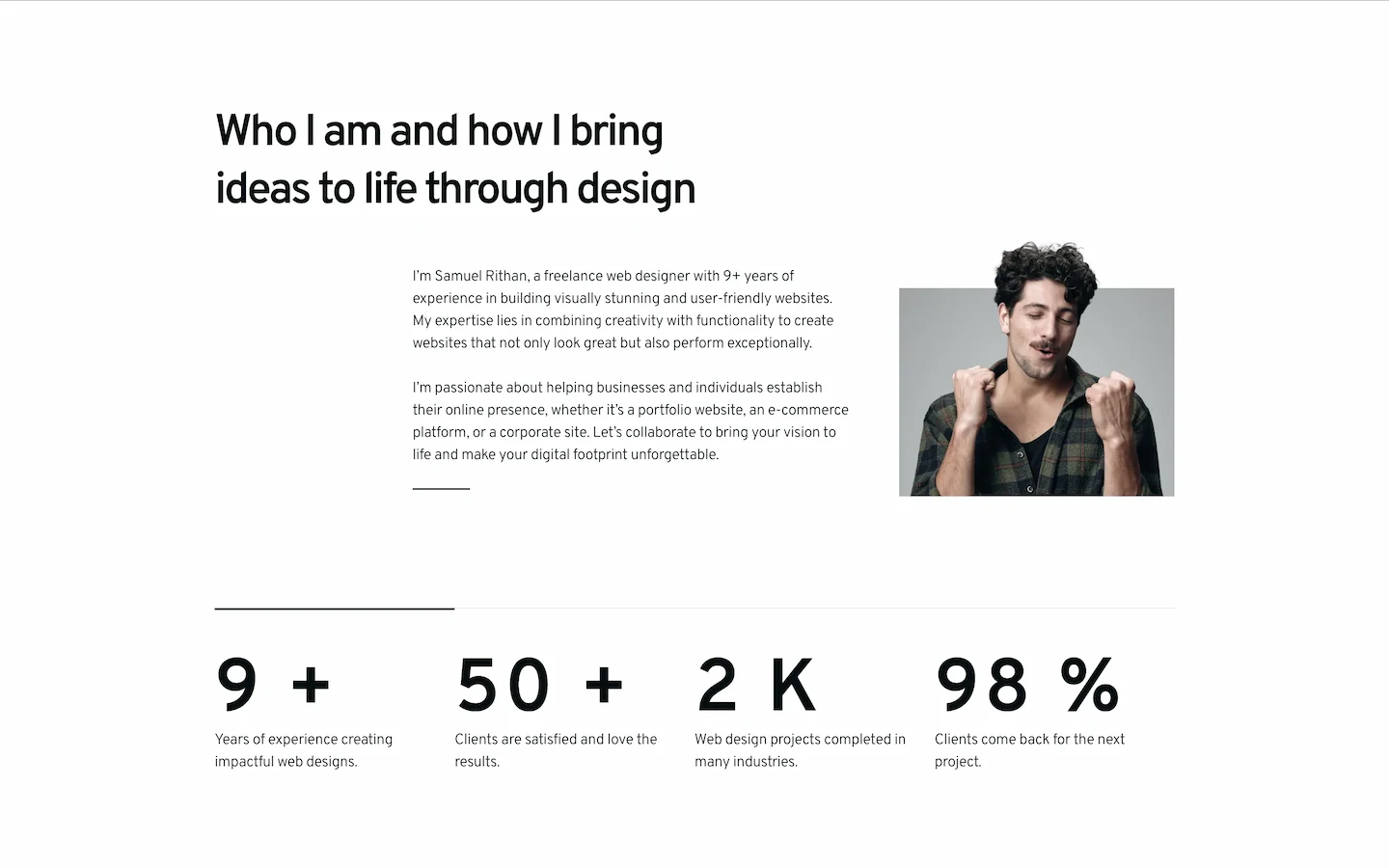
Most clients are not only hiring for your visual style. They also want to know they can trust you with their project. That’s why even a short description helps because it quickly shows your experience, the kind of work you’ve done, and whether people are happy enough to work with you again.
3. Make Them Easy to Find You Through Social Media

Not everyone will contact you immediately. Some people want to explore more or see if you are active and consistent.

That’s why social links matter. They help visitors get to know you and they make your portfolio feel more trustworthy.

You can add links to:
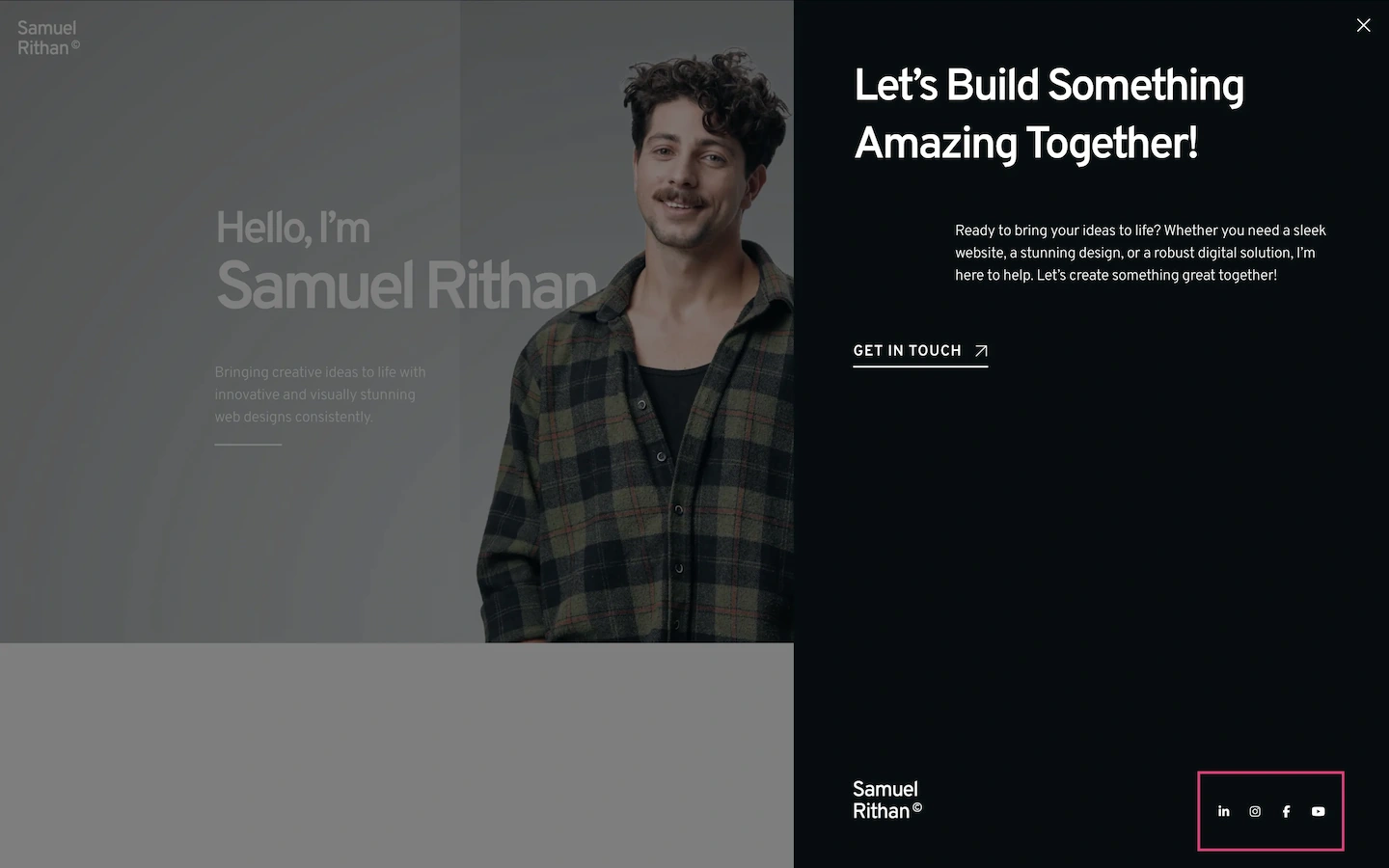
You can put all those social links on your header, footer, or contact section.

4. Optimize the SEO

SEO can sound complicated, but for a portfolio website, you only need the basics. Your goal is simple: help the right people find you when they search.

Here are easy things you can do:

According Google’s own Search Essentials, they recommend using the words people would use to look for your content and placing them in prominent locations such as titles and main headings.

Also, keep your URLs descriptive and human-readable. Google recommends a simple, logical URL structure that’s intelligible to humans and uses your audience’s language.

If you can maintain a small blog, it helps for a long-term. Helpful posts build trust before someone contacts you, and they can bring search traffic over time.

5. Build From a Blank Page or Use a Theme

Some people love to build it from scratch because they want full control. Others just want a portfolio that looks good, works well, and can be published quickly. Both choices are valid, and it really depends on what you need right now.

If you build from scratch, you can design your portfolio exactly the way you imagine it. This works well if you already have a clear vision, or if you like spending time on design details. If you use a theme, you start with a solid structure right away. That means less time thinking about layout and more time focusing on your content.

With Gutenverse, you can do both. You can build with blocks from a blank page or start with a theme like Unibiz. Unibiz has many ready to import demos for different niches and some of them fit portfolio websites really well, especially for personal brands, freelancers, creatives, and agencies.

The best approach is the one that helps you publish sooner. A simple portfolio that people can actually see will help you more than a “perfect” one that never gets published. Start with what you have, launch it, then improve it as you grow.

Final Thoughts

A good portfolio is not about having everything perfect. It is about making your work easy to see and easy to understand. When someone lands on your site, they should quickly know what you do, what kind of projects you take on, and what your strengths are. They should be able to browse your work without getting confused or digging too much, and it should be clear how they can contact you if they want to work with you.

Are you ready to make it happen? Start to build your portfolio website with Gutenverse today and share your work with the people you want to reach.

Share this:

Share this:

Recommended

Get Latest Updates

Subscribe our newsletter to Get latest updates!

Insight

Not Sure How to Create Your Portfolio Website? Here’s How to Do It!

If you’ve been thinking, “I really need a portfolio website… but where do I even start?” you’re not alone. A lot of people feel stuck because they assume a portfolio has to be perfect before it can be published.

In reality, a portfolio website works when it’s clear, credible, and easy to navigate. It should quickly answer three questions:

You don’t need a huge site to get results. You need a solid foundation that looks professional, feels organized, and helps the right people understand your value in a few seconds.

Here is a simple, realistic way to build a portfolio website that helps you get noticed.

1. Show Your Best Work

A common mistake is trying to include everything you have ever worked on. It might sound impressive, but it can make your best projects harder to notice.

Instead, keep it focused. Choose a few projects that show:

If you want design for clients, show your best design projects. If you want development work, highlight projects where your technical role is obvious. Your portfolio isn’t an archive. It is a signal. It should make it easy for someone to think, “Yes, this is exactly what I’m looking for!”

2. Use Clear and Informative Descriptions

Most clients are not only hiring for your visual style. They also want to know they can trust you with their project. That’s why even a short description helps because it quickly shows your experience, the kind of work you’ve done, and whether people are happy enough to work with you again.

3. Make Them Easy to Find You Through Social Media

Not everyone will contact you immediately. Some people want to explore more or see if you are active and consistent.

That’s why social links matter. They help visitors get to know you and they make your portfolio feel more trustworthy.

You can add links to:
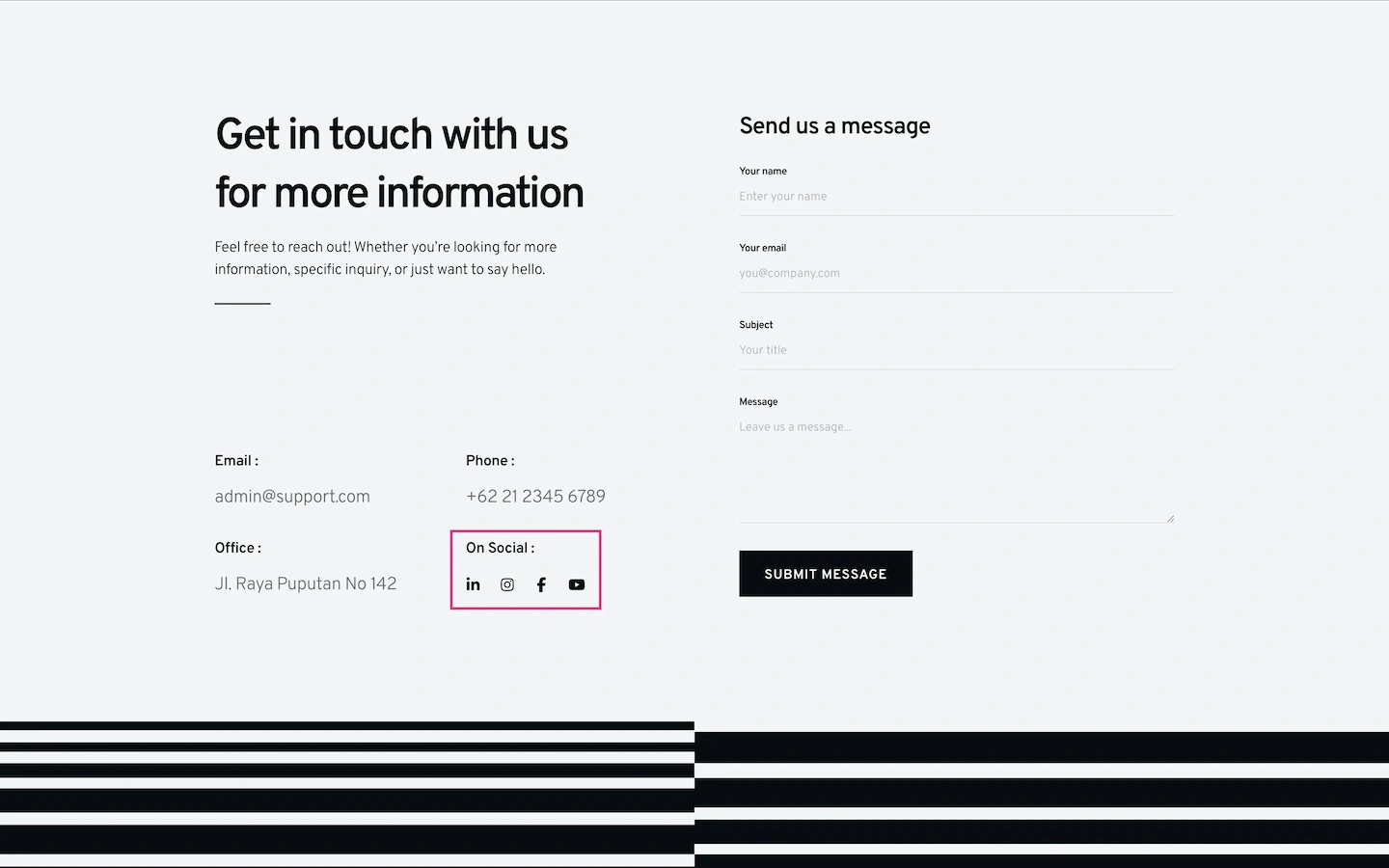
You can put all those social links on your header, footer, or contact section.

4. Optimize the SEO

SEO can sound complicated, but for a portfolio website, you only need the basics. Your goal is simple: help the right people find you when they search.

Here are easy things you can do:

According Google’s own Search Essentials, they recommend using the words people would use to look for your content and placing them in prominent locations such as titles and main headings.

Also, keep your URLs descriptive and human-readable. Google recommends a simple, logical URL structure that’s intelligible to humans and uses your audience’s language.

If you can maintain a small blog, it helps for a long-term. Helpful posts build trust before someone contacts you, and they can bring search traffic over time.

5. Build From a Blank Page or Use a Theme

Some people love to build it from scratch because they want full control. Others just want a portfolio that looks good, works well, and can be published quickly. Both choices are valid, and it really depends on what you need right now.

If you build from scratch, you can design your portfolio exactly the way you imagine it. This works well if you already have a clear vision, or if you like spending time on design details. If you use a theme, you start with a solid structure right away. That means less time thinking about layout and more time focusing on your content.

With Gutenverse, you can do both. You can build with blocks from a blank page or start with a theme like Unibiz. Unibiz has many ready to import demos for different niches and some of them fit portfolio websites really well, especially for personal brands, freelancers, creatives, and agencies.

The best approach is the one that helps you publish sooner. A simple portfolio that people can actually see will help you more than a “perfect” one that never gets published. Start with what you have, launch it, then improve it as you grow.

Final Thoughts

A good portfolio is not about having everything perfect. It is about making your work easy to see and easy to understand. When someone lands on your site, they should quickly know what you do, what kind of projects you take on, and what your strengths are. They should be able to browse your work without getting confused or digging too much, and it should be clear how they can contact you if they want to work with you.

Are you ready to make it happen? Start to build your portfolio website with Gutenverse today and share your work with the people you want to reach.
Share this:

Unlock Limitless Possibilities with Gutenverse PRO Now!

Empowering 30,000+ websites and counting — trusted by creators, businesses, and professionals worldwide.

You’re backed by a dedicated team and continuous updates.

Top-Rated on

WordPress.org

Created By

Power Elite Author

Satisfaction
Guaranteed

Stay Updated and Subscribe Our Newsletter!

We respect your privacy and won’t spam you.

Copyright © 2026 Gutenverse. All rights reserved.