Written by
The Art of the Monochrome Room, Revisited



Written by
Category
Release Date
December 18, 2025
Monochrome design is often mistaken for simplicity or a lack of imagination. Yet, when executed with intention, a single-color scheme becomes one of the most sophisticated and challenging tools in a designer’s arsenal. This is not about mere matching, but about mastering the subtle, complex art of tonal variation to create a space of unparalleled depth, calm, and dynamic resonance.
The foundation of a successful monochromatic room lies not in the paint can, but in the understanding of its core framework. This approach rejects the notion of “one shade fits all.” Instead, it relies on a deliberate spectrum within one hue, spanning from the palest tint to the deepest shade. The true focus shifts from color to the critical supporting elements that make the scheme sing: Texture, Pattern, Light, and Form. Without contrast in these areas, a monochrome room risks falling flat; with them, it achieves breathtaking dimension.
Texture is the lifeblood of a monochromatic space. It introduces visual and physical interest where color contrast is absent. Imagine a room in varying shades of charcoal: the rough weave of a bouclé sofa against a smooth polished concrete floor, the soft drape of velvet curtains beside the cold, hard gleam of a steel side table. This interplay of matte and gloss, rough and smooth, soft and hard creates a sensory landscape. It’s a feast for the eyes and the fingertips, ensuring the room feels inviting and layered rather than sterile or monotonous.


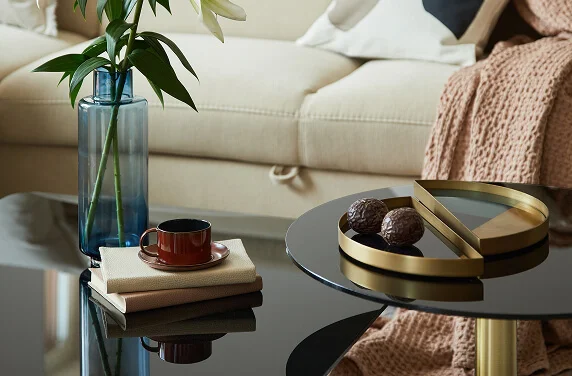
Introducing pattern within a single color family is a masterstroke that adds rhythm and complexity. A large-scale, tonal geometric print on an area rug, a subtle damask on a wallcovering, or intricate lattice work on a room divider all serve this purpose. These patterns work in shadow and light, creating movement and drawing the eye across the room without the jarring effect of a contrasting color. They act as the quiet, repeating beat in the room’s visual composition, providing structure and sophistication without shouting for attention.
In a monochrome scheme, light ceases to be just illumination—it becomes the primary choreographer of mood and space. Natural light will reveal the full range of your chosen palette throughout the day, while artificial lighting allows you to sculpt the atmosphere. Warm, focused light can make taupe walls feel cozy and enveloping, while cool, diffuse light can make a sky-blue room feel airy and serene. Strategic placement of lamps, sconces, and dimmers allows you to highlight textural contrasts and create pools of visual interest, dramatically altering the room’s character from morning to night.

Copyright © 2026. Built with Gutenverse Architecture Design Theme